

What should your intranet be able to do in 2026?
Let’s be honest.
Your intranet is probably not the coolest place in the workplace. It’s probably not the first thing your employees open in the morning. And it’s certainly not what they excitedly talk about over lunch.
But it should be.
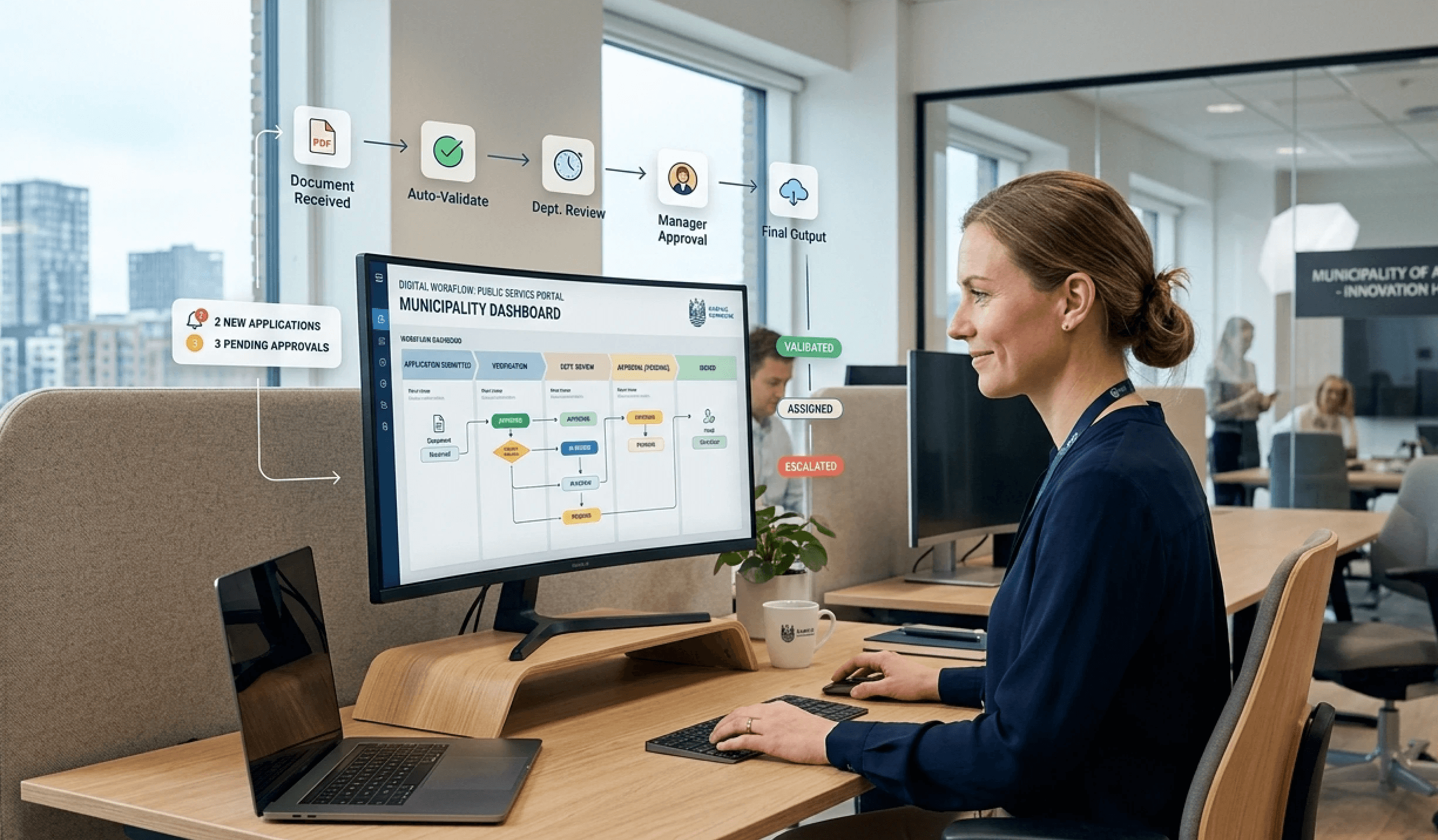
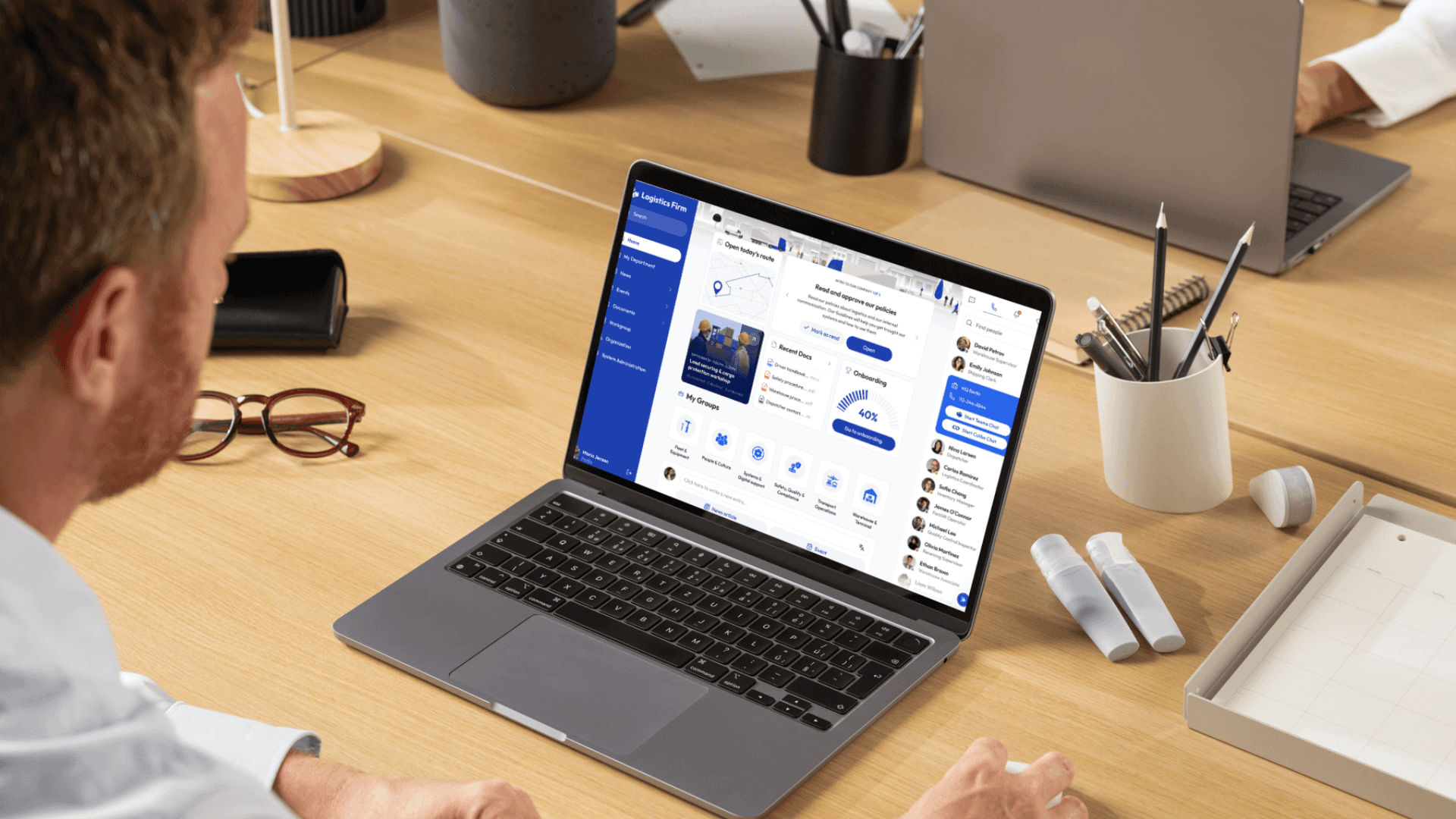
Because the intranet, the right intranet, built for 2026, is not a dusty news portal with a welcome message from the CEO and a list of parking rules. It is the hub of your employees’ digital working day. It is where information meets people. It is the difference between an employee who feels connected and engaged – and one who just turns up.
The question is simply: what does it actually require?

The workplace has changed. Has your intranet kept up?
Since the coronavirus pandemic, we have all learned to work differently. More digitally, more flexibly, more dispersed.
A DI survey shows that 87% of Danish companies now carry out more work tasks online than before the coronavirus crisis, and around 9 out of 10 now hold more internal meetings digitally. This is not a temporary trend. It is the new normal.
And yet many intranet solutions are struggling to keep up.
The 9 things your intranet MUST be able to do in 2026
1. Work on all devices
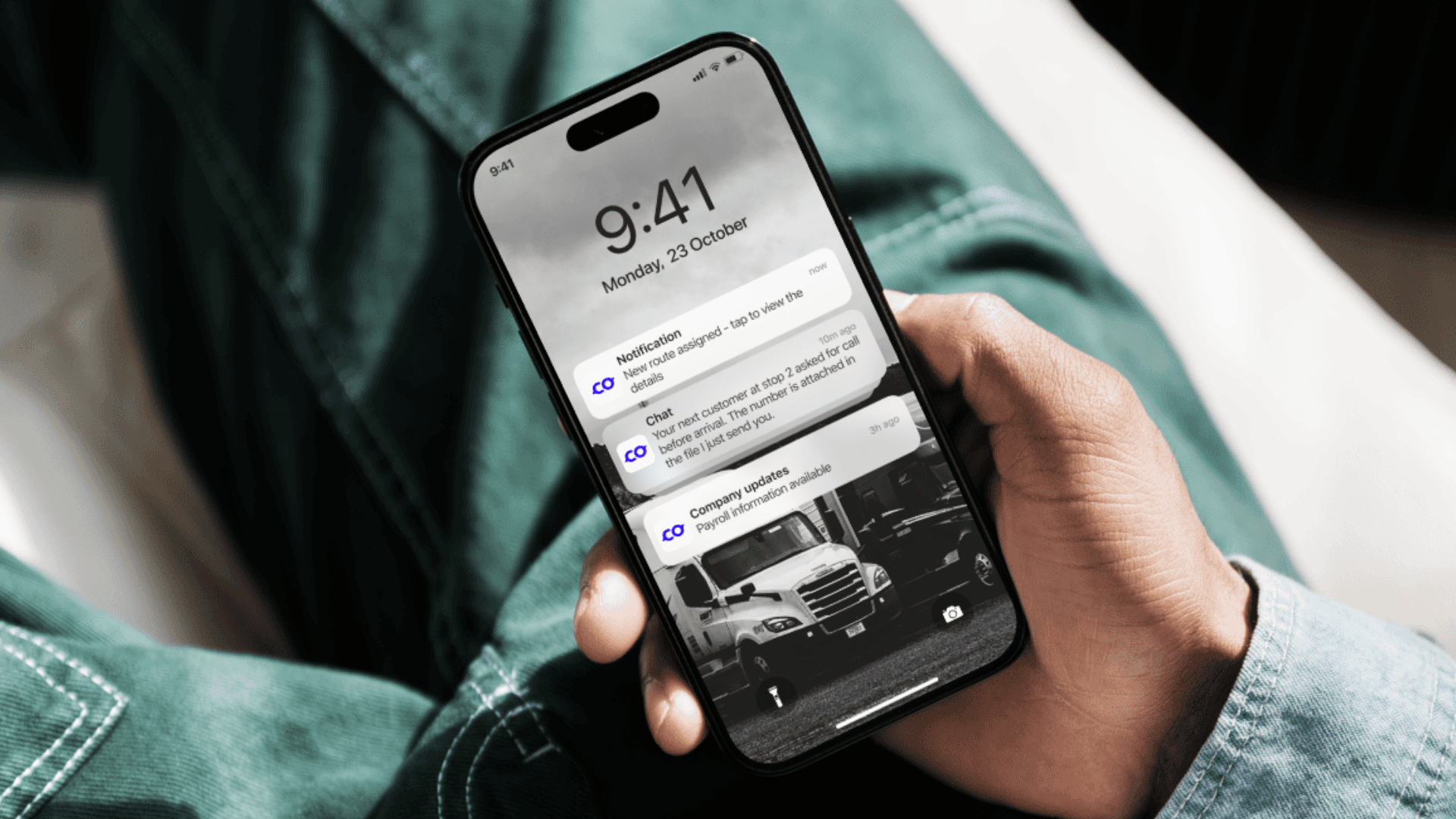
Mobile access is not a nice-to-have. It is a requirement.
Globally, frontline workers – those without a fixed PC workstation – make up as much as 80% of the total workforce. These are warehouse staff, nurses, shop assistants and construction workers. People who never sit at a desk, but who still need information, messages and reassurance in their working day.
If your intranet only lives in a browser on a desktop computer, it is not an intranet for the whole company. It is an intranet for office workers.
A mobile app with push notifications, offline access and an intuitive user interface is not a luxury in 2026. It is the entry ticket.
2. Search
You know the situation. You search for "holiday agreement" and get 47 results – none of them the right document. You search for a colleague and spell it wrong. The system gives you nothing.
Poor search costs time. And frustrated employees.
The intranet of the future must have intelligent search that understands context, not just keywords. It must be able to find documents, policies, colleagues and answers.
And yes: this is where AI comes in.
More than half of the leading intranet products already have generative AI features. McKinsey reports that 92% of companies plan to increase their AI investment over the next three years – while only 1% believe they are fully AI-ready today. That means those who act now are ahead.
An AI assistant that can summarise documents, suggest relevant content and answer employees’ questions directly in the intranet.
Here you can read about relevant AI tools for internal communication.
3. Personalisation
Imagine a supermarket chain with 3,000 employees. A shop assistant and an accountant at headquarters do not have the same needs. They should not see the same homepage content.
The intranet of the future must filter and tailor content based on role, department, location and job title. That means:
Relevant messages instead of information overload
Access to the teams and documents
An experience that feels tailored – not generic
As Danish internal communication experts point out: an intranet page should only contain messages that are relevant to 80% or more of employees. Otherwise, the content should find another channel.
4. Single Sign-On
If your employees have to log in with one password to the intranet, another to Teams, a third to the HR system and a fourth to... you know what happens. They give up, or they use "Password123!" for everything.
Single Sign-On (SSO) – integration with the company’s existing login systems such as Azure Active Directory – is not technical fine-tuning. It is a basic prerequisite for personalisation and security to work hand in hand.
The employee logs in once. The intranet knows who they are. And everything falls into place.
5. Hybrid working
More than 9 out of 10 Danish companies offer the option of working from home at least one day a week. That is a massive change in the way we work.
But hybrid working requires more than a Zoom link.
It requires an intranet that keeps the human connection alive – even when employees are spread out. It requires forums where colleagues can ask one another for advice. It requires news and stories that create a sense of community. It requires new employees to be able to find their way, even if they have never set foot in the office.
6. Dialogue
Your employees want a voice. They want the opportunity to react, ask questions and share their own stories.
Internal communication experts point out that many of the best stories never make it to the intranet – instead, they spread via LinkedIn and other external channels.
A modern intranet must have space for:
Comments and reactions to news
Employee blogs and knowledge sharing
Open discussion forums and communities
Questions and answers across departments
Communication is a two-way street. The intranet should reflect that.
7. Integration with the tools
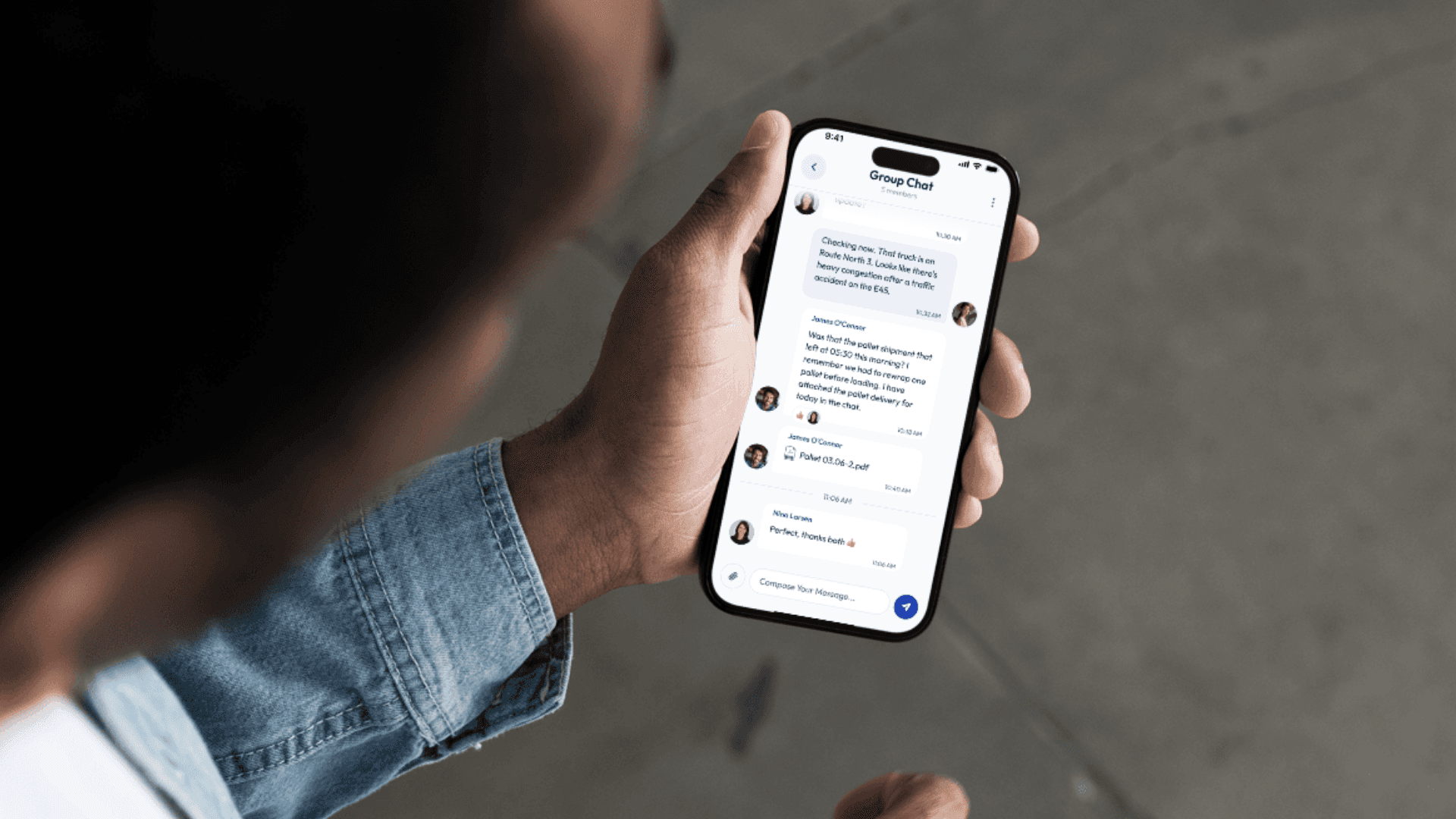
Your employees work in Teams, Outlook, SharePoint, maybe Slack – and they expect the intranet to talk to these systems. They want to see their calendar. They want to start a Teams meeting directly from the intranet. They want to find a document from SharePoint without having to switch tabs six times.
Integrations are not a technical luxury. They are what makes the intranet a natural working tool rather than an extra system gathering dust.
8. Data and feedback – ongoing, not every three years
When did you last carry out a proper evaluation of the intranet?
If the answer is "some time ago" or "hmm, we thought about it", you are not alone.
A modern intranet should give you insight into:
What employees read – and what they skip over
Which searches do not return answers
Which pages are not visited at all
Combine that with ongoing user surveys and feedback options directly in the platform, and you have an intranet that is constantly improving itself.
Here you can read more about how knowledge sharing in your organisation can be improved.
9. A strategy behind the technology
Here is what many people forget: the best intranet in the world is nothing without a strategy behind it.
Digital Workplace Group's 2025 research report on the future of the intranet up to 2030 concludes that the intranet can easily remain a valuable "front door" to the digital workplace – but only if it is continuously rethought. The report highlights Malmö City, which uses systematic "impact mapping" to actively ensure the intranet’s relevance and value.
It is not enough to buy a good platform. You need to know why you have an intranet, who it should serve, and how you measure whether it is successful.
As communication expert Vibeke Thøis Madsen says: there is no answer key. Each organisation has to find its own shape – and that shape must be formed by employees’ actual use and input.
The bottom line
A good intranet is not about technology for technology’s sake. It is about people.
It is about the nurse who can quickly find the updated safety procedure on her phone. About the new employee who feels at home, even though she works from home from day one. About the manager who can communicate with the whole organisation – and actually get answers back.
2026 is not the future. It is now. And it is the best time to raise the bar for what your intranet can do for your people.
Questions and answers (Q&A) about intranet 2026
What is an intranet, and what is it used for in 2026?
An intranet is an internal, closed digital platform that companies use to share information, support collaboration and connect employees across departments and locations. In 2026, a modern intranet is not just a noticeboard – it is a single digital working tool with AI features, personalised content, integration with other systems and mobile access for all employees, including frontline workers.
What is the difference between an old and a modern intranet?
An old intranet works as a one-way channel: information is sent out from management, and employees receive it passively. A modern intranet in 2026 is two-way, personalised and integrated. It adapts content to the individual’s role, supports dialogue and employee involvement, works on mobile, and is connected to the digital work tools employees already use – such as Microsoft Teams, SharePoint and HR systems.
What does it cost to update or replace an intranet?
The price varies greatly depending on the company’s size, technical infrastructure and choice of platform. However, there are two things that always cost money: the technology itself and the implementation process, which includes change management, training and customisation. The cost of not upgrading, on the other hand, is invisible – but real: lower engagement, wasted time on poor search and employees who do not feel connected.
What is Single Sign-On (SSO), and why is it important for an intranet?
Single Sign-On means that the employee logs in in one place – typically the company’s existing Microsoft or Google login – and automatically gets access to all integrated systems, including the intranet. SSO is important because it removes friction, increases security and makes genuine personalisation possible: the intranet knows who the user is and can tailor content accordingly.
How can AI improve an intranet?
Artificial intelligence can improve an intranet in several ways: intelligent search that understands context and the user’s intent; automatic summarisation of long documents; AI assistants that answer employees’ questions directly in the platform; and personalised content recommendations based on the user’s behaviour and role. According to McKinsey, 92% of companies plan to increase their AI investment over the next three years – and the intranet is an obvious channel for that investment.
What is a mobile intranet, and who needs it?
A mobile intranet is a version of the company intranet that is optimised for smartphones and tablets – typically as an app. It is especially important for frontline employees who do not sit at a computer: shop staff, production workers, healthcare staff, transport drivers, etc. Globally, frontline workers make up as much as 80% of the workforce, and they have the same need for information and communication as office workers.
What is personalisation in the intranet context?
Personalisation means that the intranet shows content that is relevant to the specific user – based on role, department, location, language and job title. A production worker, for example, sees safety procedures and shift schedules, while an HR employee sees personnel policies and recruitment tools. Personalisation reduces information overload and makes the intranet more useful for the individual.
How do you measure the impact of an intranet?
Effective intranet solutions are measured through a combination of quantitative and qualitative data: page views, search behaviour and click-through rates (quantitative) as well as employee satisfaction, engagement and experience (qualitative via surveys and feedback). The most important thing is to measure continuously – not just at launch – and use the insights to improve the platform actively.
What is hybrid working, and what does it require from the intranet?
Hybrid working is a working model in which employees alternate between working from the office and from other places – typically home. More than 9 out of 10 Danish companies now offer hybrid working. This requires the intranet to be securely accessible from all locations, support digital communication and togetherness, and provide the same experience whether you are sitting in the office or in the home office.
Which platforms are good for intranets in 2026?
There are many good intranet platforms in 2026, including SharePoint/Viva Connections (Microsoft), Colibo, Staffbase, Happeo and Simpplr. The choice depends on the company’s size, existing technology stack, budget and needs. A platform such as Colibo offers integrated collaboration tools, personalisation, SSO and mobile access – and is particularly well suited to medium-sized and larger organisations that want a Nordic, user-centred approach.
Why is employee involvement crucial for an intranet?
An intranet designed for employees but not with them will rarely succeed. Research and practice show that employee involvement – in the form of feedback, user surveys, pilot groups and editorial roles – is crucial for adoption and long-term success. An intranet that feels relevant and useful gets used. An intranet that ignores its users’ needs gathers dust.